Specialized · Transloading
Container transloading
Transloading takes freight out of an ocean container and reloads it onto domestic trailers for the inland leg. It is the bridge between import shipping and the road network — and it pairs naturally with the drayage that brings the container in.
What it is
What transloading is
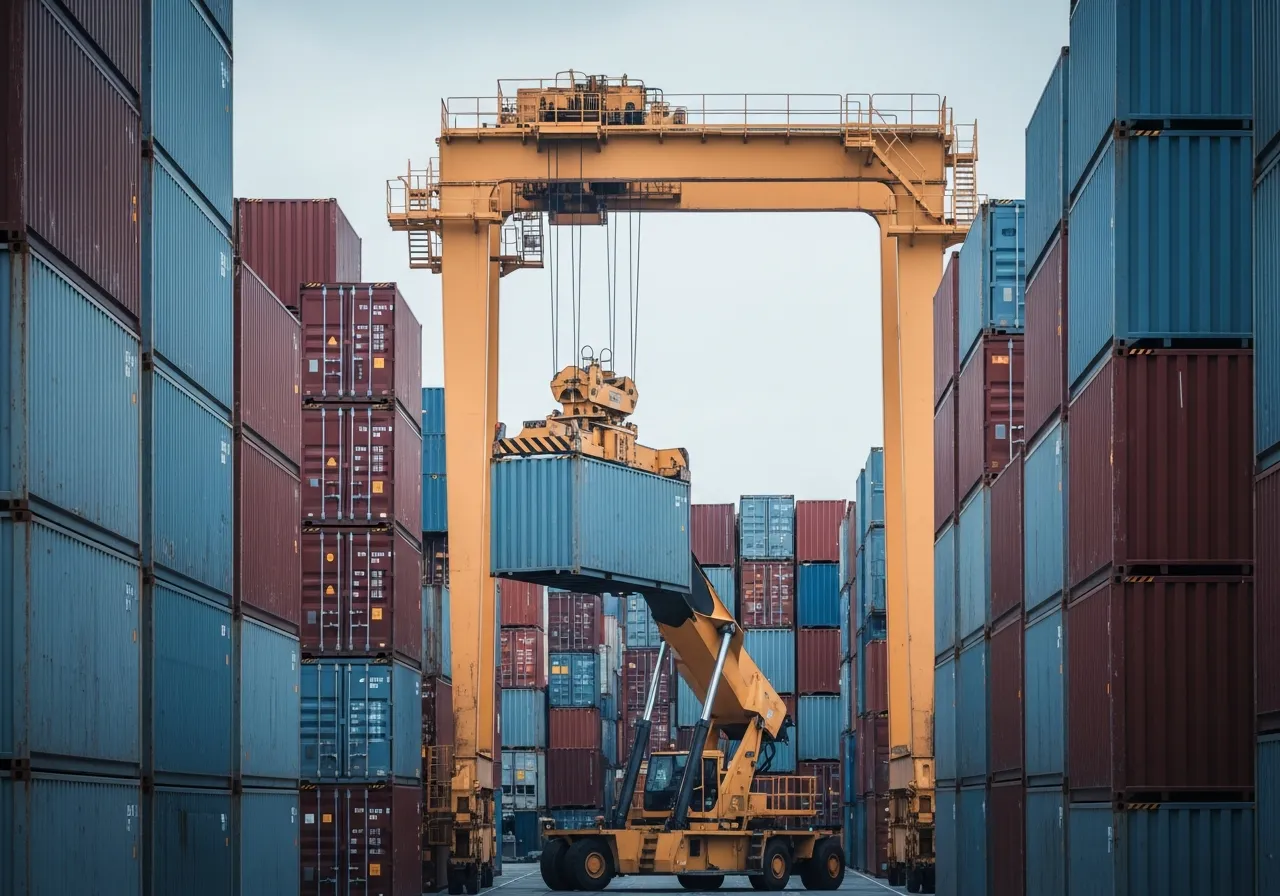
Container transloading unloads freight from an ocean container and reloads it onto domestic trailers — often re-palletizing or re-configuring it for efficient over-the-road transport. It lets import freight leave the marine container behind and ride the domestic network the rest of the way.
Because we sit near the Southeast port lanes, we can dray the container in and transload it in one coordinated flow — shortening the path from the port to your destination.
When transloading helps
-
Import containers to domestic freight
Ocean freight needs to leave the marine container and ride domestic trailers inland.
-
Re-palletizing for the road
Container loading patterns are reworked for efficient domestic over-the-road transport.
-
Freeing up containers
Emptying and returning containers promptly to avoid per-diem and detention.
The benefits
- 01
Drayage + transload as one
We bring the container in and transload it in a single coordinated move.
- 02
Atlanta lane proximity
Being near the Southeast port lanes shortens the import path and its cost.
- 03
Efficient domestic loads
Re-configuring freight for trailers improves utilization on the inland leg.
How it runs
-
Dray in
The container is drayed from the port or rail ramp to our Atlanta facility.
-
Unload and reload
Freight is unloaded, re-palletized as needed, and reloaded onto domestic trailers.
-
Onward over the road
The domestic load moves out on LTL, partial, or full truckload as the lane requires.
Related services
Ready to quote this service?
Describe your shipment and we send back a quote with the mode, the lane, and the price. No commitment.